
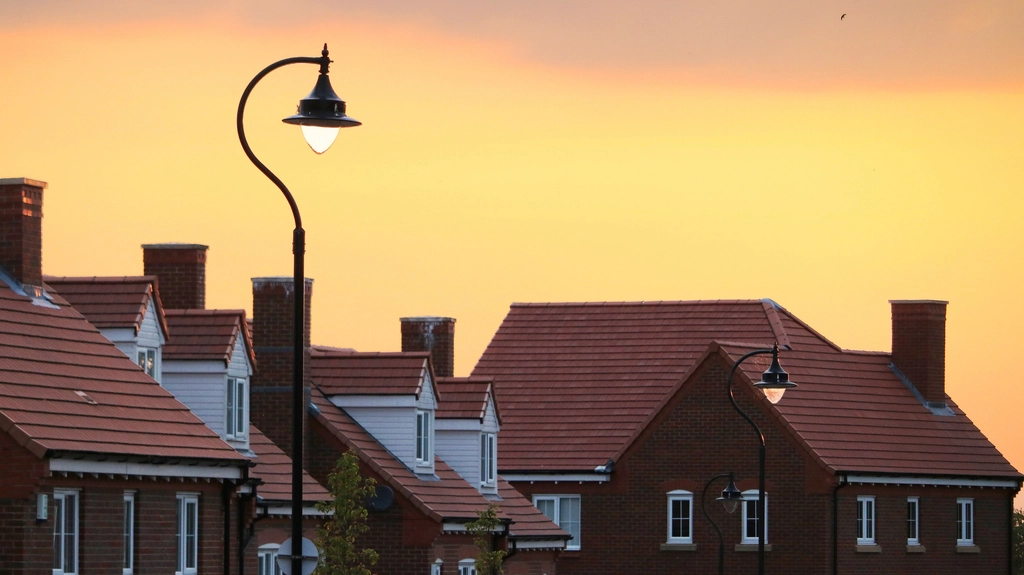
It was a few minutes before six in the evening and I was waiting for the bus after leaving work to head home. It was an ordinary day and I had no reason to feel any differently than usual. I guess the only thing out of the ordinary that had happened was that I had seen something peculiar that morning.
When I had taken my first smoke break of the day, I had decided to take it on the roof of the office building where I worked. This was not unordinary, as I would either take my break there or outside the building in front of the entrance.
But as I had been smoking, I happened to glance up at the sky. I saw a white bird, of which kind I could not say, however, it was flying upside down. I squinted against the morning sun to be sure I was not confused, and sure enough, the bird circled the rooftop and then flew off to the east—the whole time flying upside down.
Strange, I thought to myself, ashing my cigarette in the little ashtray the smokers of the office had placed there. I did not know that birds could fly upside down.
I went back to work, thought nothing of it, and had finished the day as I normally would. I said a brief goodbye to Lindsay at reception and then took the short walk through the building and down the street to the bus stop.
But while I was waiting for the bus, the sun staring to set, the upside down bird came back to my mind. It had been beautiful in a strange way—graceful—and had I not looked closely I would have not noticed this strange behavior.
The bus pulled up and I climbed up the steps, giving a little nod to the driver, and then settled into a window seat in the back row. That was where I always sat. I always felt more comfortable being out of any stranger’s direct eye line.
After about twenty minutes, watching the city slide by with it’s grays and greens, we arrived at my stop—as any other day. But instead of standing up and shuffling off of the bus, I instead, stayed seated.
I am not sure why I did this—for it made no logical sense to stay on the bus. I knew the next few stops were mostly residential and I should go home and eat dinner—but my body simply seemed to decide that it was not going to move.
Before I knew it, I guess I had fallen asleep, because I awoke to the bus driver tugging at my sleeve.
“Last stop! You gotta move, sir.”
Confused and disoriented, I hazily stood up and exited the bus with the bus driver frustratedly shewing me towards the door.
The bus pulled away and I was left, standing there and rubbing the sleep from my eyes, under the flickering light of an unknown street lamp.
Where am I? I thought to myself.
I looked up at the street sign. Then I rubbed my eyes in confusion. I couldn’t understand it for the life of me. I walked towards it, feeling a strange sense of dread.
As I got closer, I realized that the letters were upside down, and—upon closer inspection and a twisting of my neck—I was able to read it. It said, Culvers Rd—the very same street that I lived on.
Ah, some kids must have vandalized it—switched the sign. I thought, relieved. Somehow I guess I had still ended up at my stop.
I began to walk down the street towards my house, approached the front door, fumbling loudly with my keys.
But before I could even put them in the lock, the door swung open.
“Mr. Johnston? Is everything alright?”
I jumped in surprise and then looked up at—what I now realize—was the face of my neighbor.
“What are you doing in my house?” I said sharply, without thinking.
My neighbor—Mrs. Rhinestone—cocked her head in confusion with a frightened look in her eyes.
“But, Mr. Johnston, this is not your house,” she said cautiously, then added, “Are you feeling alright?”
I stared at her in disbelief. Was this some practical joke? But no, she was as sincere as can be.
“S-Sorry,” I said, stepping backward. “Long day.”
I turned, thinking hard, and walked back down the path and down the driveway. I glanced back cautiously to see she had shut the door already, but I saw the curtains moving beside it, and knew she must be watching me.
I crossed the street, then turned, and saw the curtains were still moving.
I was quite concerned now, for that house was undoubtedly mine. I had looked through those very same white curtains many times. Even the car in the driveway was mine—or was it? What kind of car did Mrs. Rhinestone drive? I couldn’t seem to remember.
Now, conscious of her suspicion and her eyes on me, I turned and walked up the driveway of the house across the street. I slowly approached the front door, glancing subtly back at my house, and I saw that the curtains were no longer swaying.
Mrs. Rhinestone must think I live here…
I glanced around. There was no one out. No cars along the quiet street. Just the light from the street lights that turned on automatically at dusk.
I reached for my keys and tried the lock. The door swung open.
What the hell is going on? I thought to myself as I stared into the dark entryway of what I was certain was my neighbor’s house. Do I go inside? Do I call the police?
Then—suddenly—I heard a loud siren blare several streets away, and it’s intensity startled me enough that I simply entered and promptly shut the door.
“Honey, is that you?” A soft and far away woman’s voice called from the other room.
“A-Amy?” I said weakly, my lips beginning to quiver.
Then, from the other room, my ex-wife entered—her hair long and flowing hazel brown with smiling eyes that looked on me with all of the love and care that I remembered so well.
I reached out, my hand trembling, and took her hand. It was warm and soft and she leaned in close and I smelled lilac and roses and as I glanced down I saw the bulging white scars on her wrist from her suicide.
